
Whoa! Really? Okay, so check this out—wallet choice on Solana isn’t just technical. It’s personal. My initial reaction when I first poked around the ecosystem was: confusing. Hmm… there are a lot of wallets. Some promise speed, others promise security, and then there’s Phantom, which manages to feel familiar and distinctly Solana-native at the same time.
Here’s the thing. On one hand, phantom’s UX aims to remove friction—fast transactions, clear NFT management, intuitive token swaps. On the other hand, the extension ecosystem is messy, and that sheen can hide dangerous integrations or permission creep. Initially I thought “easy equals good,” but then I realized that easy also means users may skip critical security checks. Actually, wait—let me rephrase that: ease of use is essential, but it must pair with clear guardrails that users can actually understand.
Short aside: I’m biased, but I think wallets should be boring in the background. They should just work. This part bugs me: when a wallet gets flashy and the UX distracts from the security model, your brain skips the important bits. Somethin’ about that doesn’t sit right. Still, Phantom strikes a balance most users will like.
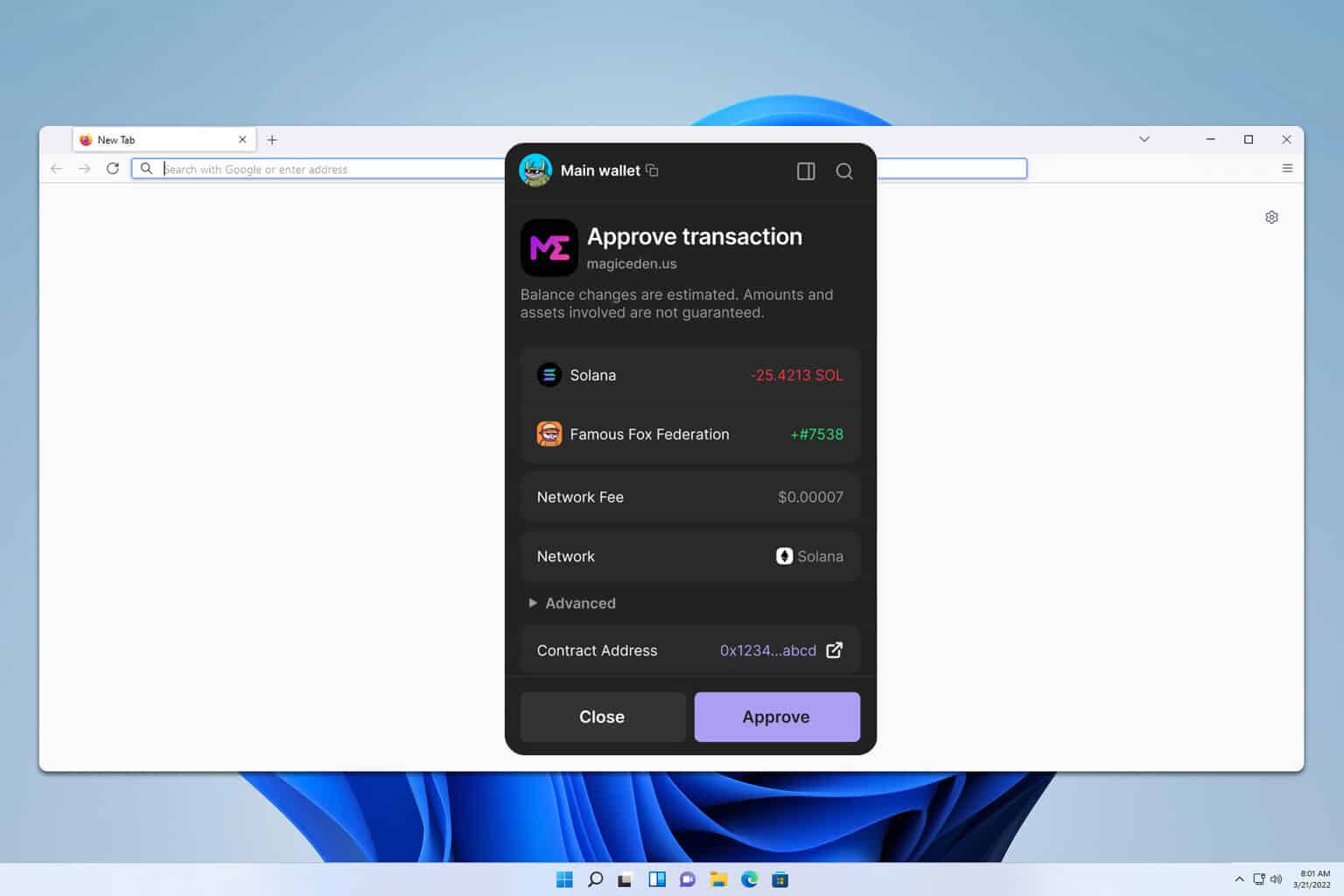
At its core, a browser extension wallet has to do three big things well: key management, transaction clarity, and integration with dApps. Pretty simple on paper. But in practice you get nuance. For example, key management means protecting seed phrases and offering reasonable account recovery flows. Transaction clarity is about telling the user exactly what they’re signing—no vague gas approximations or hidden contract calls. And dApp integration needs to be predictable, so you don’t approve a permission that lets a site drain funds. On those counts, Phantom is strong but not perfect.
A practical look: DeFi, NFTs, and everyday use
DeFi on Solana moves fast—seriously fast. Transactions confirm quickly, fees are low, and composability is solid. Phantom makes swaps and token approvals pretty straightforward. The in-wallet swap UI is a convenience that avoids switching to external aggregators, though power users might prefer dedicated protocols for tight slippage control and advanced routing.
NFT handling is where Phantom really leans in. The gallery view is tidy and approachable. You can see collections, inspect metadata, and even manage royalties in a way that feels native to collectors. But caveat: not all metadata sources are reliable. On some rarer collections, metadata resolves from decentralized storages that sometimes lag or fail. So, check the provenance—don’t assume the UI tells you everything.
Deeper thought: On one level we can praise the extension for usability. On another level, when a wallet abstracts too much, users stop reading transaction details. On balance, Phantom’s approach nudges people to do the right thing—mostly—though there are edge cases where the nudge isn’t strong enough.
Really? Yeah. Permissions are subtle. When a dApp asks for a generic “connect” and then requests signing rights, the sequence matters. Phantom’s permission prompts are readable, but users can still approve actions without fully parsing them. This is where education matters alongside product design.
Security note: Browser extensions are inherently more exposed than hardware wallets. Phishing vectors, cloned extensions, and malicious sites can put users at risk. Use trusted sources when installing. For convenience, many folks prefer the official channel, and if you want a quick way to get set up you can find the official phantom wallet download extension—but be vigilant. Double-check URLs. Triple-check developer names. Really, do that.
On the topic of installation: some people—friends and colleagues—mistakenly add fake extensions that mimic UI exactly. It happens more often than you’d expect. My instinct said “verify before you install,” though people rarely follow that instinct when they’re excited about mint day or an airdrop. On those rush days, caution flies right out the window.
Now for a few nitty-gritty things I like and a few I don’t. I like the session management model. It keeps connected sites scoped and relatively easy to revoke. I dislike that some transaction descriptions are shortened in a way that can hide multi-step contract interactions. On balance it’s good—but I wish the wallet would offer an “advanced details” toggle that explained contract calls in plain English, not just raw instruction sets.
Also, the extension tries to be consumer-friendly, which sometimes means default settings favor convenience over maximal security. That tradeoff is deliberate, I get it. But users should be able to choose a more conservative stance without hunting through menus. User preferences should be obvious, not buried.
Here’s a quick practical checklist for anyone setting up a browser wallet on Solana.
– Use the official distribution channel and verify signatures if available. Really important.
– Keep your seed phrase offline and never paste it into a website. No exceptions.
– Consider pairing with a hardware wallet for large holdings. Sounds obvious, but many skip it.
– Review permissions for dApps regularly. Revoke the ones you don’t use.
– Be skeptical of “free” airdrops that request signing arbitrary messages.
On the psychology of onboarding: good UX reduces cognitive load, but it can also create complacency. I watch new users approve transactions like they’re tapping “accept” on a cookie banner. Something felt off about that. Teach users to read at least the first and last lines of a transaction prompt. That simple habit catches many scams.
Okay, so what about developers and advanced users? Phantom exposes APIs for dApp integration that are developer-friendly. The Solana Program Library and anchor frameworks complement that nicely. For teams building on Solana, Phantom provides reliable hooks for wallet interaction without forcing bespoke implementations, though you should still test flows thoroughly across networks and edge cases.
FAQ
Is Phantom safe for NFTs and DeFi?
Short answer: generally yes for everyday use, but with caveats. Use the extension from a trusted source, enable conservative settings if available, and for significant assets consider a hardware wallet. Also, always verify transaction details and be wary of unfamiliar dApps or permission requests.
Can I recover my wallet if I lose access?
Recovery relies on your seed phrase or backup method. Store that phrase offline and in multiple safe places. If you lose the phrase and your device, recovery is unlikely. Seriously, back it up.
Final thought—no, wait—let me rework that: choosing a wallet is as much about trust and habit as it is about features. Phantom does a lot right. It reduces friction, supports NFTs well, and plays nicely with Solana’s performance. On the downside, default convenience can invite complacency and the extension model always carries added risk. On balance, Phantom is a solid browser extension option, but only if you pair it with cautious habits.
I’m not 100% sure we’ve solved every user education gap in crypto, though. There’s still work to do. But if you’re starting with Solana and want a sensible balance between UX and control, Phantom is worth trying—carefully, and with a healthy dash of skepticism.